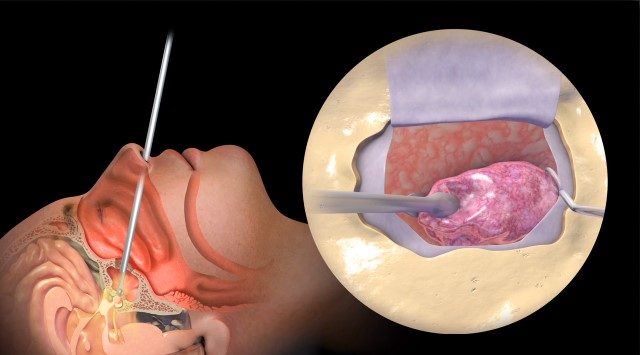
Tumor removal surgery is a procedure performed to remove abnormal growths from the brain, spine, or other parts of the nervous system. The primary goal is to remove as much of the tumor as possible while preserving normal neurological function.
Early diagnosis and timely treatment can help reduce symptoms, prevent complications, and improve the patient's overall quality of life. Modern surgical techniques allow for safer and more precise tumor removal.
Tumors are usually diagnosed through neurological examination and advanced imaging tests such as MRI scans, CT scans, and biopsy when required. These investigations help determine the size, location, and type of tumor before treatment planning.
Treatment depends on the type, size, and location of the tumor. Surgery may be performed alone or combined with radiation therapy, chemotherapy, or other specialized treatments to achieve the best possible outcome.
Recovery varies depending on the complexity of the surgery and the patient's condition. Regular follow-up visits, imaging studies, medications, and rehabilitation programs may be recommended to monitor progress and support long-term recovery.
